Sep 10, 2026Compliance & Quality
FCC, CE, RoHS and UL 4200A: Compliance Basics for Remote-Control SKUs
What each mark covers for wireless remote controls and coin-cell devices, why marketplace programs increasingly reference them, and which questions to ask your supplier before shipment.
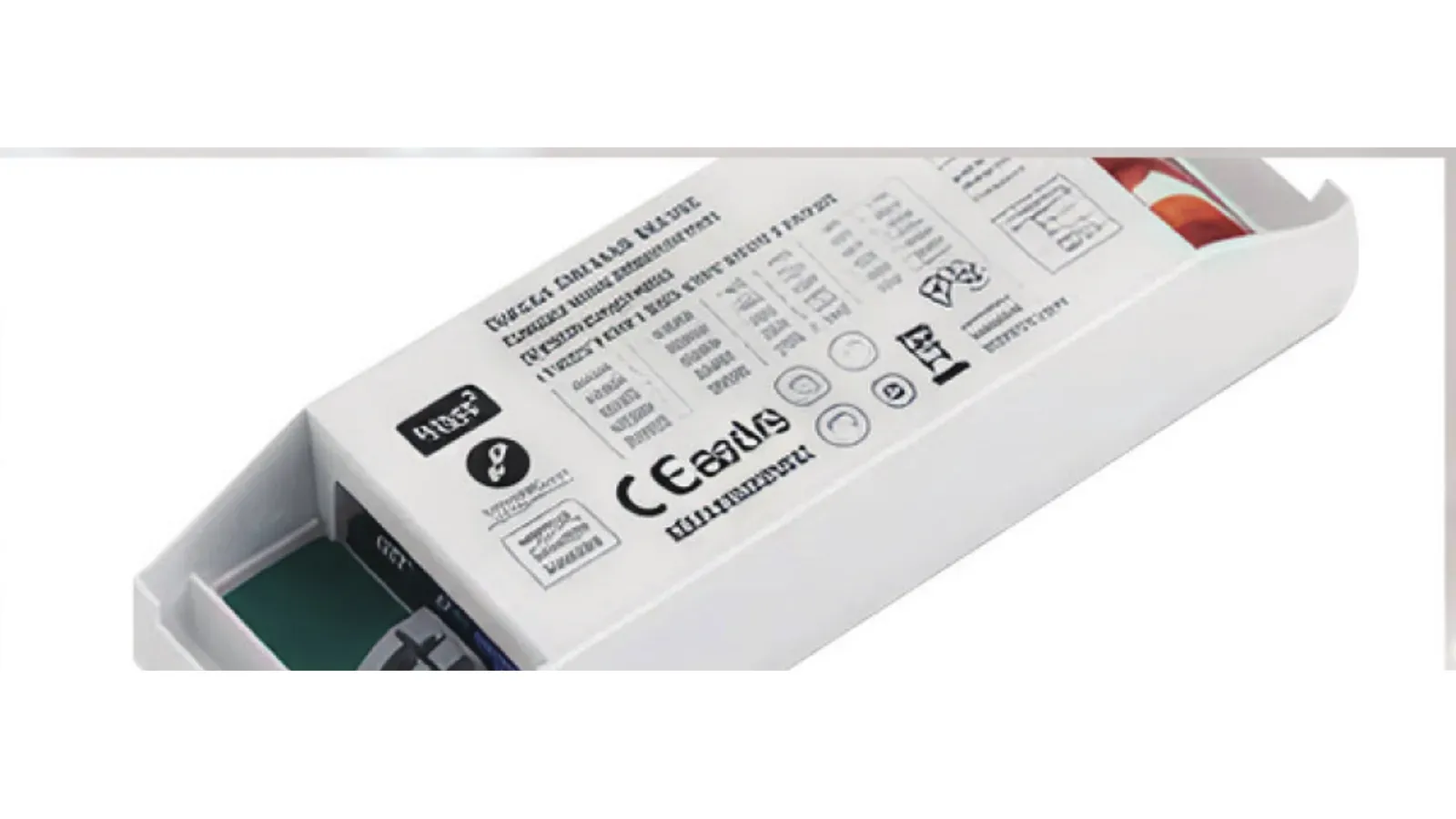
The shipment is booked, the listing is drafted — and then the marketplace asks for the radio report, the declaration of conformity, or coin-battery documentation you do not have. Compliance questions arrive late and bite hard; this guide maps the four marks you will meet on every remote-control shipment so you can ask for the right paperwork early.
Four marks you will meet on every shipment
Remote controls sold into North America, Europe and major retail channels carry overlapping compliance requirements. Knowing what each mark covers helps you read a supplier's test reports instead of just collecting logos.
FCC: radio emissions in the US market
Any intentional radiator — a 433 MHz, 2.4G or Bluetooth remote — needs FCC authorization. Suppliers with in-house RF engineering can pre-position the design for clean spectral performance before the lab test.
CE: the European conformity family
CE marking draws on directives covering electromagnetic compatibility, radio equipment and safety. The core paperwork is the manufacturer's own EU Declaration of Conformity, with notified-body involvement reserved for specific cases — ask your supplier which route each certificate took.
RoHS: substance restrictions
RoHS restricts hazardous substances in electronics. It applies to the whole remote — housing, PCB, battery contacts — and is a baseline expectation for European retail.
UL 4200A: coin-cell battery safety
Products with replaceable coin cells such as CR2032 fall under UL 4200A requirements for battery-compartment security and warnings — a recent focus area for marketplaces, especially for remotes reachable by children.
Questions to ask your supplier
Ask which certificates already cover the platform you are reusing, whether reports are issued to your brand name, and whether the factory has supported marketplace-designated certification programs. Factories that manufacture to these standards daily can usually share existing documentation faster than a trading company can arrange new tests.
Next Step
Ready to move? Before your next order, ask each supplier for existing reports on the platform you plan to reuse — FCC, CE, RoHS and UL 4200A — and confirm which certificates can be issued under your brand name. Put those answers in your RFQ so compliance becomes a selection criterion, not a launch-day surprise.