Sep 10, 2026Industry Insights
From Sketch to Mass Production: The 6-Step OEM Remote Customization Process
Requirements, quotation, 3D design, prototype, tooling, delivery — what actually happens at each step of a custom remote control project, and what you should receive before paying for tooling.
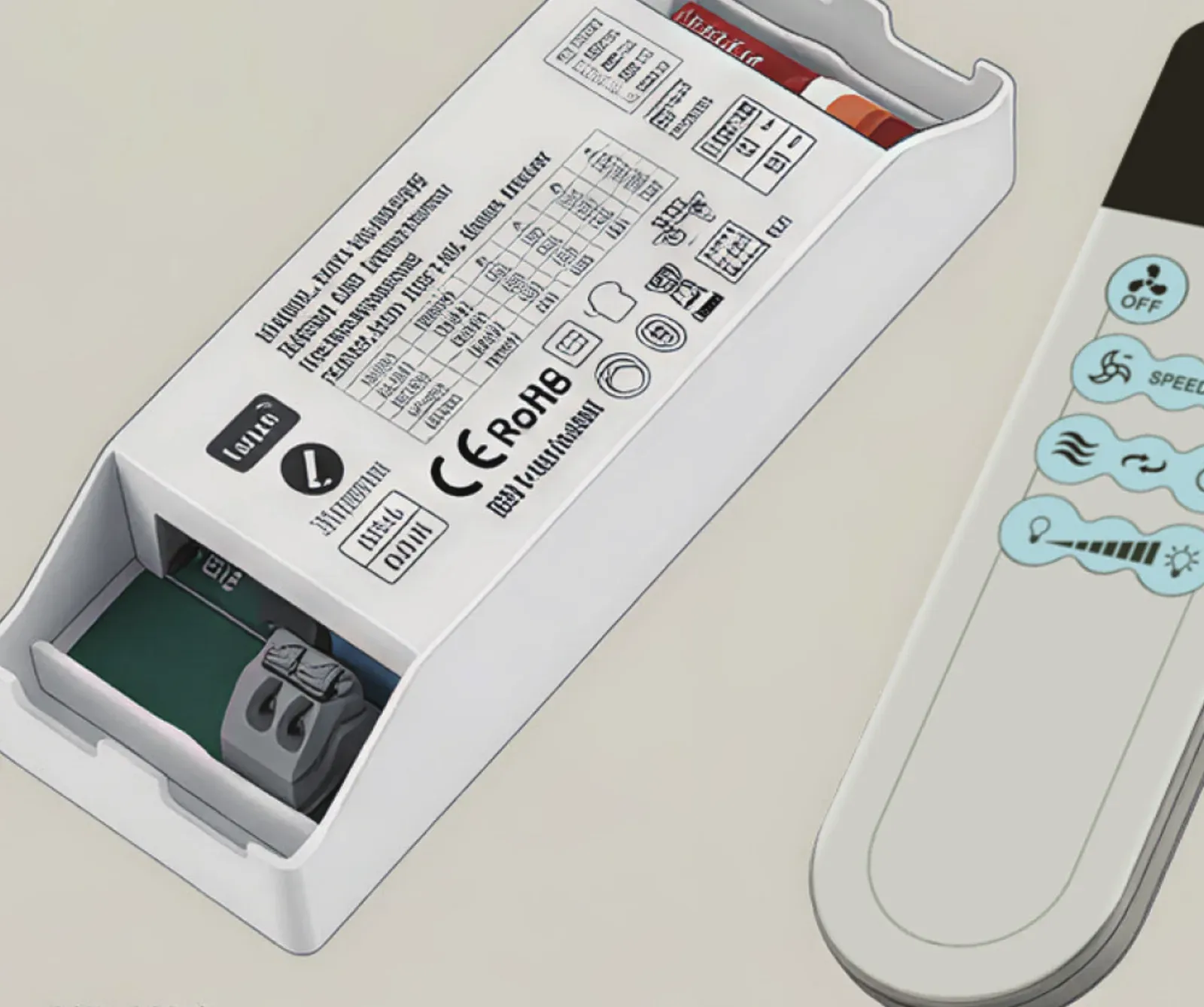
Every custom hardware project has the same risk points: requirements that drift, quotes that exclude tooling, prototypes that never quite fit, and a mass-production ramp nobody is ready for. A written six-step development process exists precisely to move those risks to the left — here is what happens at each step and what you should hold in your hand before paying for steel.
A defined process protects both sides
Custom hardware goes wrong at the hand-offs. A written six-step development flow keeps every milestone — and every artifact — owned and reviewable.
Step 1: Requirements confirmation
Functional and aesthetic requirements are defined together: target device, protocol, key count, display, housing material and branding. This is where a 2,000-plus mold library pays off — an existing housing may already fit.
Step 2: Solution proposal and quotation
You receive a custom proposal with detailed quotation, so tooling and unit costs are transparent before design work starts.
Step 3: Design drawing
3D industrial and structural design confirms the look and the internals fit. Review renderings against your fixture's design language before approval.
Step 4: Prototype making
A physical prototype verifies fit, key feel and range. Hold it in hand before committing to steel.
Step 5: Tooling and mass production
Molds are cut and automated lines ramp. Daily output capacity in the six-figure range is what keeps your retail promotions supplied.
Step 6: Delivery and archiving
Finished products ship with documentation archived for repeat orders — so your second PO is a reorder, not a new project. OEM options such as custom silk-screen, surface finishes and startup logo segments are locked at this stage for every future batch.
Next Step
Ready to move? Bring this checklist to your next customization kick-off: an owner and an artifact for each of the six steps, from requirements confirmation to delivery and archiving. If you want that process run against your SKU, send your requirement sheet through the contact page for a custom proposal.