Sep 10, 2026Buying Guides
How to Choose an OEM Remote Control Manufacturer: 6 Checks Before You Commit
A six-point due-diligence checklist for brand owners sourcing custom remote controls — from chip-level R&D and mold assets to compliance certificates and production capacity.
You have a fixture line ready for launch, and the remote control on your BOM is still “standard black, 21 keys, maybe this supplier, maybe that one.” The choice feels small until the first shipment fails a destination-market check or a promotion outruns your supplier's capacity. This guide turns that choice into six concrete checks you can run on any candidate manufacturer.
Why the manufacturer you pick shapes your product line
A remote control looks simple, but it bundles radio engineering, industrial design, tooling and certification into one small device. Choosing a manufacturer is therefore not a price comparison — it decides how fast you can iterate, how consistent your units are, and whether your SKU clears destination-market compliance the first time.
1. Chip-level R&D, not just assembly
Ask whether the factory develops its own RF firmware and protocols or resells generic modules. Manufacturers that integrate in-house chip development with final assembly can tune range, latency and power draw to your housing and use case instead of forcing your product to fit a stock module.
2. Mold and tooling depth
An existing mold library is the fastest path to a differentiated shell. A library of thousands of product molds plus independent industrial-design patents means you can start from a proven housing and modify it, instead of paying full tooling for every project.
3. Full-band RF capability
Your protocol choice (IR, RF 433 MHz, 2.4G, Bluetooth, voice) should follow your product, not the other way round. A factory working across the full band can advise per SKU — and combine protocols in one remote where your line needs it.
4. Compliance you can verify
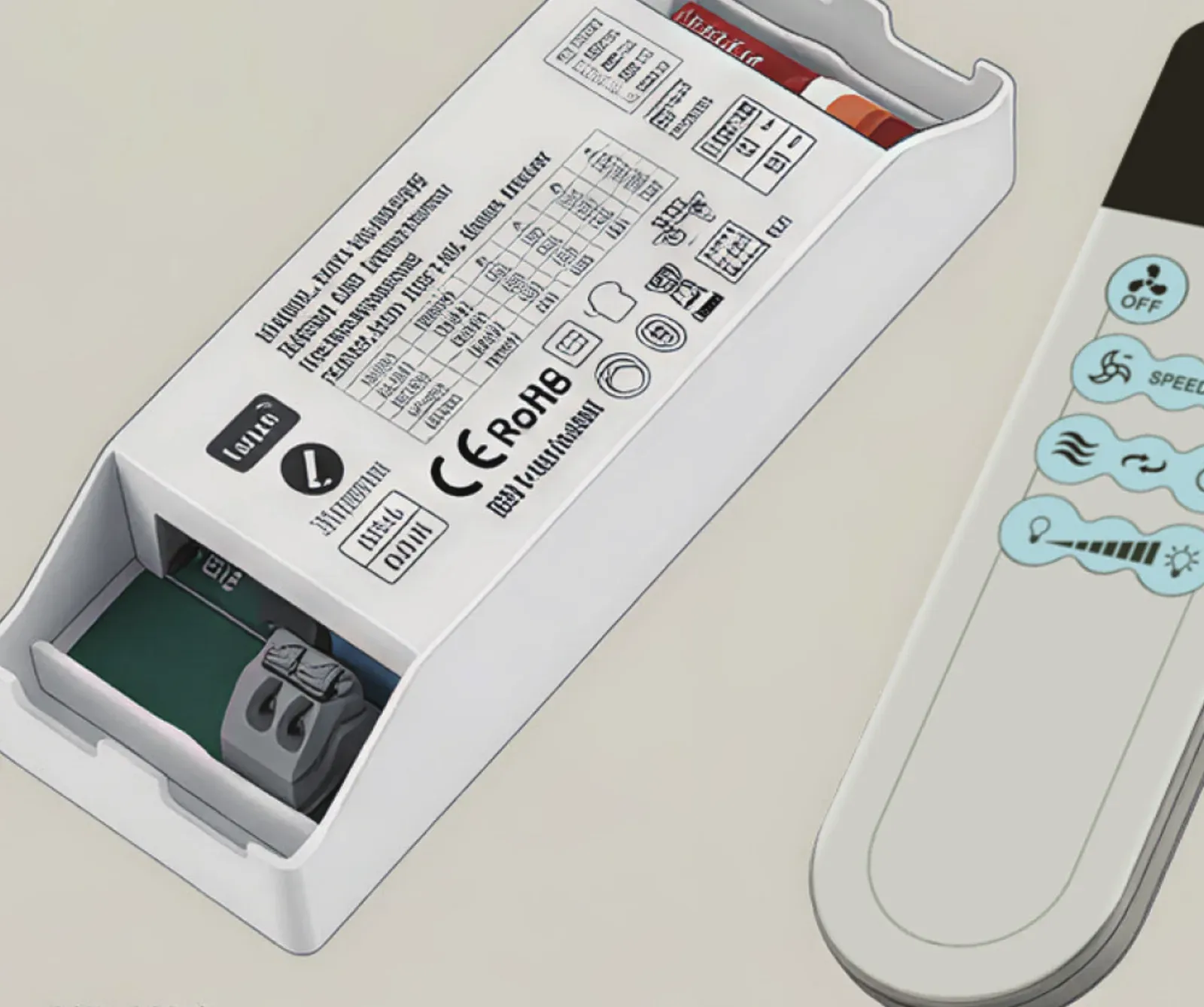
Ask for FCC, CE, RoHS and UL 4200A documentation for similar shipped products, and ask whether they have supported marketplace-designated certification programs. Certification experience shortens your launch and reduces retest risk.
5. Capacity that matches your season
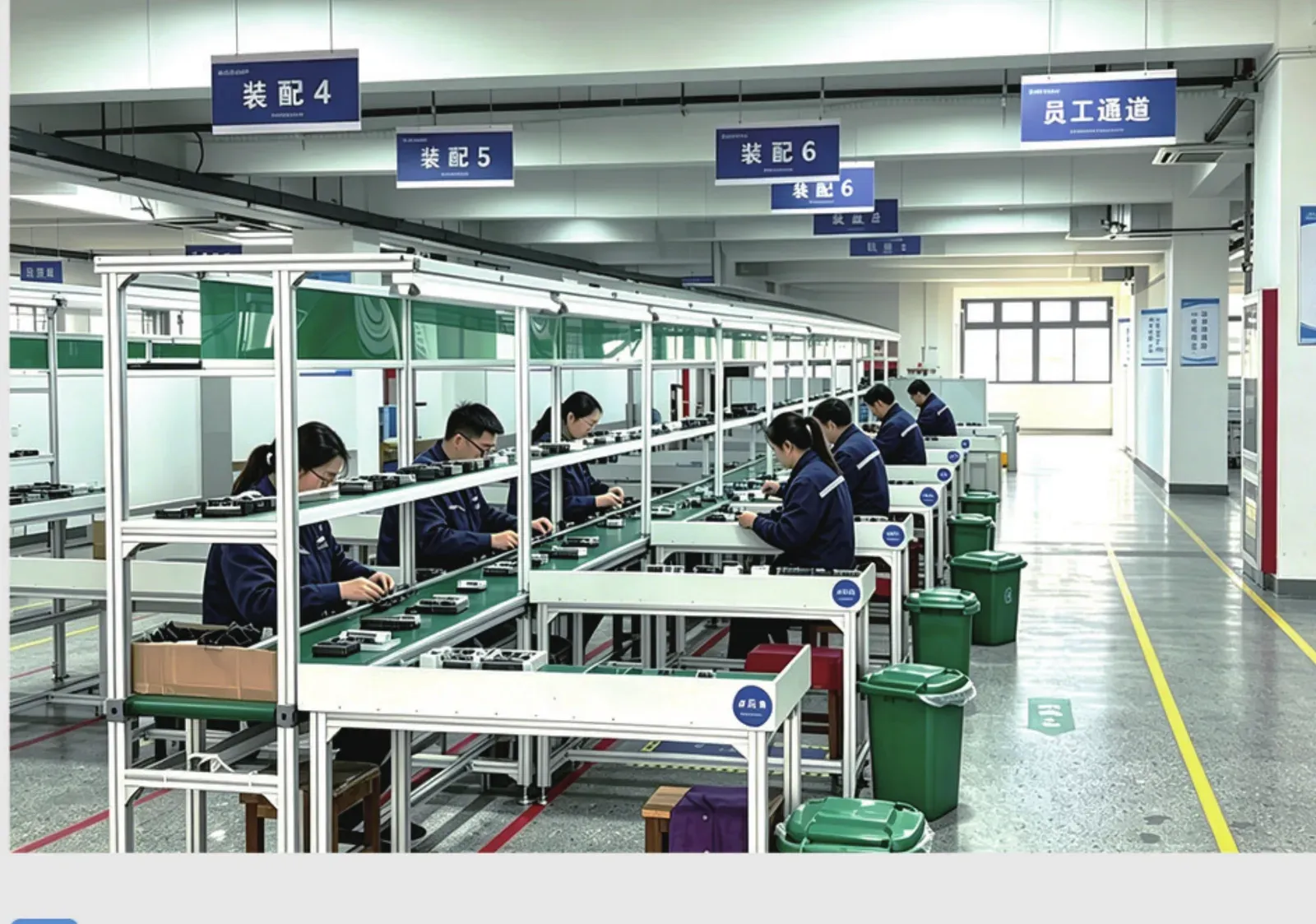
Automated lines matter when your promotion hits. Daily output in the six figures signals the factory can absorb retail swings without slipping your delivery.
6. A defined customization process
Look for a written development flow — requirements, quotation, 3D design, prototype, tooling, delivery — so every milestone has an owner and an artifact. Combine the six checks above with a trial order, and you have a supplier you can scale with.
Next Step
Ready to move? Run these six checks as a one-page scorecard for each candidate. When a manufacturer clears all six — chip-level R&D, mold depth, full-band RF, verifiable compliance, six-figure daily capacity and a written development process — send your requirement sheet and request a custom proposal against one real SKU.